
The Brain-Inspired Future of Computing: Unlocking the Potential of Neuromorphic Technology
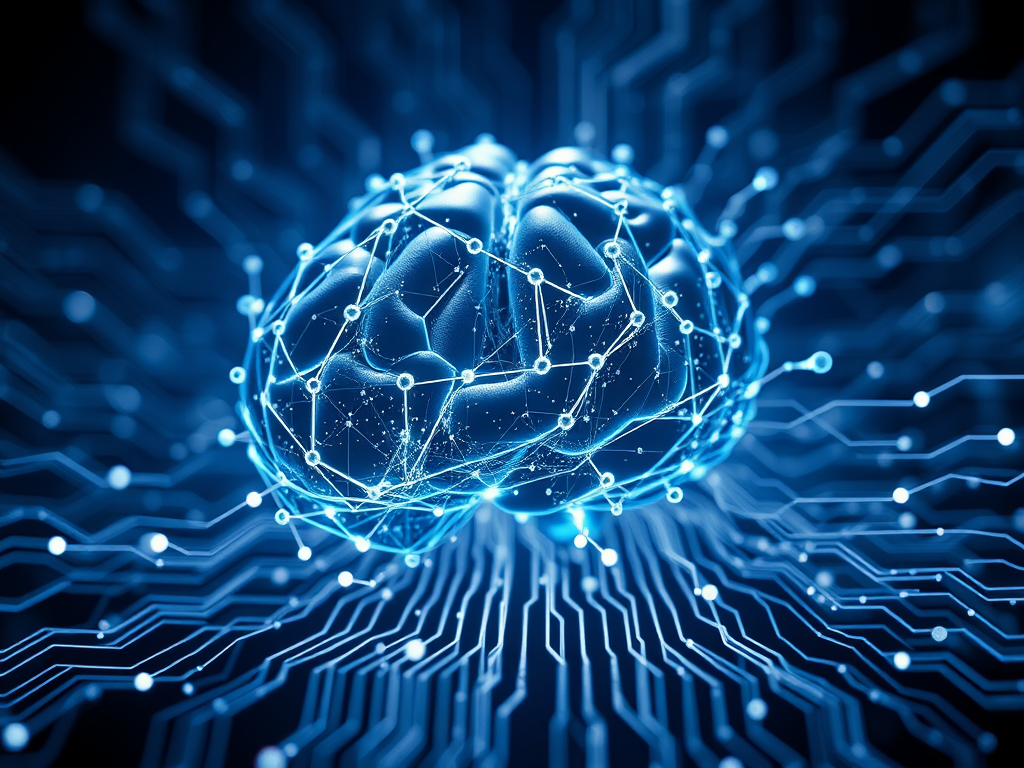
The Brain-Inspired Future of Computing: Neuromorphic Technology
I. Introduction: Unveiling Neuromorphic Computing
Every year, traditional computers consume a staggering amount of energy—around 1000 times more than the human brain for equivalent tasks. This astonishing statistic underscores a persistent challenge in computing: achieving high performance while minimizing energy consumption. Enter neuromorphic computing, a groundbreaking technology that aims to mimic the structure and function of the human brain to process information more efficiently. The core objective of neuromorphic systems is to achieve ultra-efficient computation that far surpasses the capabilities of conventional computing systems.
At the heart of neuromorphic computing are artificial neurons and synapses, which replicate the brain’s intricate networks. This post explores the transformative potential of neuromorphic technology, highlighting its innovative approaches and promising advancements. It argues that neuromorphic computing holds the key to unlocking a new era of energy-efficient and intelligent computing.
II. The Brain as the Blueprint: Principles of Neuromorphic Design
Neuromorphic design is deeply rooted in the biological principles of how the brain processes information. The brain utilizes complex networks of neurons, each connected by synapses, to communicate and process diverse information. In neuromorphic systems, artificial neurons and synapses serve as the fundamental building blocks, effectively replicating these biological neural networks.
One of the key advancements in neuromorphic computing is the implementation of spike-based communication and event-driven processing. Spiking neural networks (SNNs) utilize discrete spikes for data transmission, allowing for significant reductions in energy consumption. This brain-inspired architecture brings several benefits:
- Efficiency through in-memory processing – Reducing the need for data transfer.
- Adaptability based on synaptic plasticity – Learning and adapting over time, similar to biological systems.
- Enhanced parallel processing capabilities – Simultaneously handling multiple tasks, much like the human brain.
III. Key Technologies Driving Neuromorphic Advancement
Monolithic 3D Integration
Monolithic 3D integration is a revolutionary approach that involves stacking multiple layers of devices within a single chip. This compact architecture enhances computational density and decreases latency, resulting in faster processing. By decoupling training and inference, this technology optimizes performance across various applications.
Photonic Neuromorphic Computing
Utilizing light for computation, photonic neuromorphic computing employs photonic integrated circuits (PICs). This method presents several advantages, including vastly increased operational speeds and drastically reduced energy consumption. For instance, current advancements have led to computational rates exceeding 50 GHz with more than 95% accuracy.
Neuromorphic Chips
The development of specialized neuromorphic chips, such as Intel’s Loihi 2 and BrainChip’s Akida, is central to advancing this technology. These chips focus on high efficiency, programmable capabilities, and low power requirements, making them suitable for a range of applications from AI to robotics.
IV. Real-World Applications and Emerging Use Cases
Neuromorphic computing is already paving the way for numerous applications across various fields:
- AI and Machine Learning: Enhancing AI inference at the edge, where real-time processing is crucial.
- Robotics and Automation: Enabling adaptive robotics that can learn from their environment.
- Edge Computing: Powering IoT devices so they can perform complex tasks without cloud reliance.
- Pattern Recognition: Facilitating advanced image processing techniques.
- Sensor Data Processing: Providing real-time analytics for better decision-making.
These applications illustrate the potential of neuromorphic technology to revolutionize how industries operate, providing efficiency and performance that traditional systems cannot achieve.
V. The Road Ahead: Challenges and Future Directions
Despite the promise of neuromorphic computing, several significant challenges remain:
- Materials Science Limitations: Enduring hurdles in the development of suitable materials for neuromorphic systems.
- Complex Architecture Design: Difficulty in creating architectures that effectively replicate biological processes.
- Software Developmental Hurdles: Creating software that can leverage the unique capabilities of neuromorphic systems.
- Scalability Issues: Ensuring that solutions can be implemented on a large scale for practical applications.
Looking ahead, there are numerous promising research trajectories:
- Interdisciplinary Collaboration: Encouraging partnerships between neuroscience and computer science to inspire new breakthroughs.
- Canonical Cortical Electronic Circuits: Aiming for ultra-low power applications and more efficient energy usage.
- Standardization and Development Tools: Paving the way for smoother integration and implementation in industry.
VI. Conclusion: Embracing the Neuromorphic Revolution
Neuromorphic computing is positioned to transform modern technology and redefine our approach to computational efficiency. The unmatched efficiency, rapid processing speeds, and enhanced intelligence achievable through this brain-inspired technology are revolutionary. As we embrace these advancements, it is essential to stay informed about the implications of neuromorphic computing across various industries. The evolution of brain-inspired computing technologies will undoubtedly leave a lasting impact on the future of technology, creating opportunities that are just beginning to be realized.