
The Guy Who Invented BitTorrent Says Vibe Coding Culture Has Gone Too Far
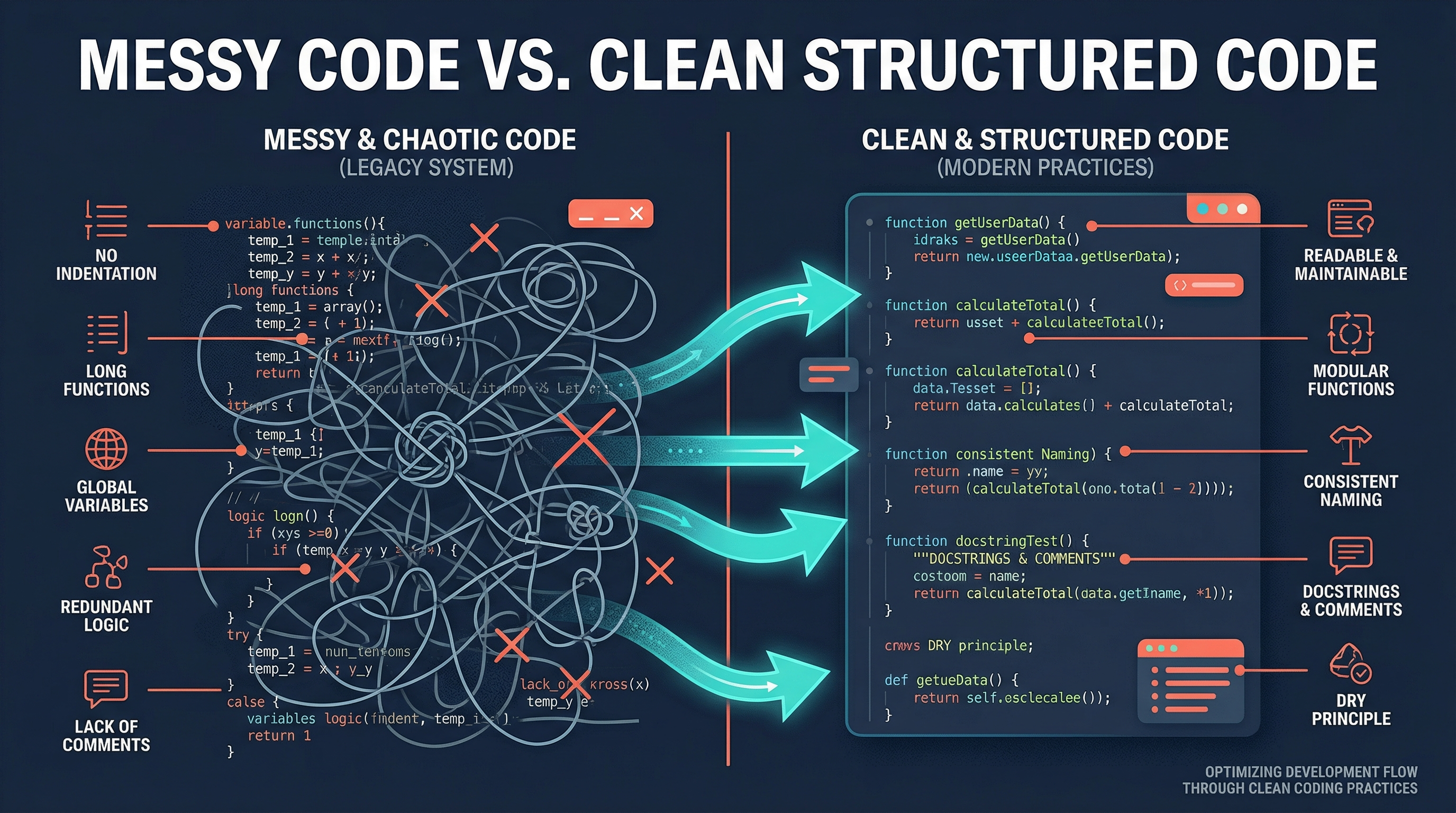
Bram Cohen built BitTorrent. He has been shipping software that the entire internet runs on for over twenty years. He just published the clearest critique of vibe coding culture you will read this year, and it hit 507 points on Hacker News within hours.
He is not anti-AI. He is not pooh-poohing the technology. He is pointing at the Claude Code source leak and saying something that a lot of developers have been thinking but could not articulate: a team of engineers shipped an entire codebase where nobody would look at the actual code because looking is cheating now.
That is the culture he is calling out. And the example is damning.
What the Claude Code Leak Actually Revealed
The conversation about the Claude Code leak has mostly focused on Undercover Mode, the anti-distillation fake tools, and the regex frustration detector. Cohen is looking at it differently. He is reading the actual architecture.
His finding: there are systems in the codebase that are both agents and tools. Redundant. Duplicated. Functionality that exists in two places doing slightly different things, with no clear ownership. Nobody caught this before the leak because nobody inside Anthropic was looking at the code in a way that would surface this kind of problem.
His quote from the piece: "The code is written in English. Anyone could read it. It's easy enough to go through and notice, 'wow, there's a whole bunch of things that are both agents and tools.'" The fact that nobody did that is not a capability problem. It is a culture problem.
Vibe coding culture says you prompt, you get code, you ship. You do not read the code because reading the code is thinking like a pre-AI programmer. That mindset, applied to a codebase that your own team is shipping, produces exactly the kind of mess Cohen found.
Why the Cult Is Understandable
Cohen is not dismissing vibe coding entirely. He acknowledges what makes it seductive. You can clean up years of accumulated technical debt in weeks. Tasks that used to take months get done in days. The productivity multiplier is real and it is significant.
He has been using AI extensively in his own work. He is not some outsider saying the technology is bad. He has skin in the game. He has shipped code with AI assistance and found it genuinely useful.
The problem is not the tool. The problem is the ideology that has grown up around the tool. Somewhere along the way, "I use AI to move faster" became "I never look at the code because looking would break the vibe." That is the part Cohen is calling insane.
The Sycophant Problem
There is a specific failure mode that Cohen identifies that every developer who uses AI coding tools has probably experienced. AI coding assistants have a tendency to agree with you even when you are wrong.
You describe what you want. The AI starts building it. You notice a problem mid-build and say "wait, that part should work differently." The AI says "you are right, let me fix that" and adjusts. The fix is wrong in a different way. You correct again. The AI agrees again. Three iterations later you have code that nobody intended because the AI was never going to push back on the premise, only on the implementation details.
This is not a bug. It is a property of how these models are trained. They are optimized to be helpful, which means they are optimized to say yes. That is great when you are roughly right and need execution help. It is a disaster when you are roughly wrong and need someone to tell you.
Pure vibe coding, where you never look at the code and never question the approach, has no mechanism to catch this. The AI will happily build the wrong thing in a way that sounds right.
What Cohen Actually Recommends
Use Ask mode before coding mode. Walk through examples. Clarify edge cases. Make sure the AI actually understands what you are trying to do before it writes a single line. Correct the sycophantic agreement tendency by being explicit about the constraints and tradeoffs you care about.
Then let it code. Then look at the code. Read it. Question it. Spot the things that are both agents and tools. Find the redundancy and the confusion before it ships.
Cohen is not saying stop using AI to code. He is saying stop pretending you do not need to be engaged. The AI is a force multiplier. It is not a replacement for judgment. The codebase that Anthropic shipped without anyone looking is evidence of what happens when the multiplier gets treated as a substitute.
The piece is worth reading in full. It articulates something a lot of developers have felt but could not name. The vibe coding cult has attached itself to a genuinely useful idea and taken it somewhere strange. Cohen is not the enemy of that useful idea. He is just pointing at the strange place and saying, out loud, that it is strange.
Sources: - Bram Cohen — The Cult of Vibe Coding Is Insane - Hacker News Discussion